 Home and Gardening Ideas At home and Gardening ideas we believe inspiring readers about homesteading, self sufficiency
6 Projects to Keep Your House Warm All Winter

When winter arrives, keeping your home warm can quickly become expensive. You turn the heating on, the house finally feels comfortable, and then an hour later it seems like all that lovely warmth has disappeared again.
The problem is not always your heating system.
A surprising amount of heat can escape through windows, doors, floors, loft spaces, fireplaces, and poorly insulated areas around the home.
The good news is that you do not necessarily need to spend thousands on renovations.
There are several simple DIY projects you can tackle before winter that can make your home feel noticeably warmer while helping reduce how hard your heating system needs to work.
Here are 6 projects to keep your house warm all winter.
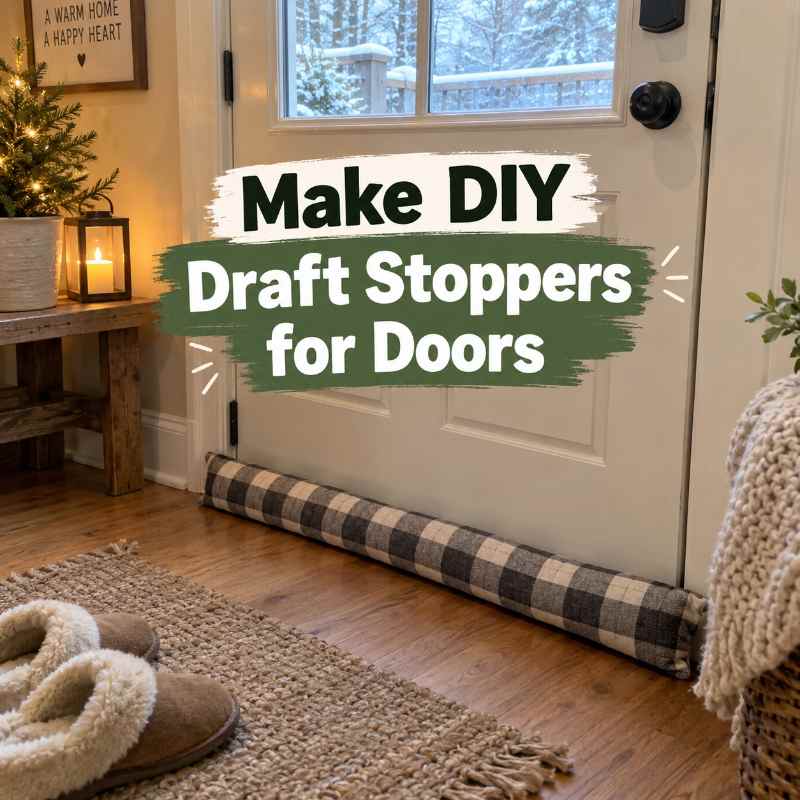
1. Make DIY Draft Stoppers for Doors
One of the easiest places for cold air to enter your home is underneath exterior doors.
Even a small gap can allow a constant stream of cold air into the room.
A simple draft stopper can make a surprisingly big difference.
You can easily make one yourself using an old pillowcase, trouser leg, towel, or piece of fabric.
Fill it with materials such as:
- Old fabric scraps
- Rice
- Dried beans
- Polyester stuffing
- Old towels
- Recycled clothing
Sew or tie the ends closed and place the draft stopper along the bottom of the door.
You can also use these around doors leading into garages, utility rooms, basements, or other colder parts of your home.
Quick tip: Hold your hand around the edges of your doors on a cold day. If you can feel moving air, adding weatherstripping around the frame can help even more.
2. Seal Drafty Windows
Windows are another major area where heat can escape.
Older windows are especially likely to have small gaps around the frames that allow cold air inside.
One of the cheapest winter projects is simply checking every window in your home for drafts.
On a cold or windy day, slowly move your hand around the window frame.
You may be surprised how easy it is to feel where the cold air is coming from.
Small gaps around window frames can often be sealed using suitable caulk or weatherstripping.
Another inexpensive option is temporary window insulation film.
This clear plastic film attaches around the window frame and is gently shrunk using a hair dryer. The trapped layer of air between the plastic and window provides additional insulation.
It might not be the most glamorous home improvement project, but in particularly cold rooms it can make a noticeable difference.
Thick curtains can help too.
Close them once it becomes dark outside, but open them during sunny winter days to allow free heat from the sun into your home.
3. Insulate the Loft or Attic Hatch
Most people think about insulating their loft or attic but completely forget about the hatch.
Unfortunately, the hatch itself can become a weak point in your home’s insulation.
Warm air rises, which means any poorly insulated opening in your ceiling provides an easy route for heat to escape.
Check your loft or attic hatch carefully.
If it is simply a thin piece of wood with no insulation attached, consider adding a suitable rigid insulation board to the upper side.
You can also install weatherstripping around the edge of the hatch so it creates a better seal when closed.
This is normally a fairly inexpensive afternoon project.
While you are up there, it is worth checking your existing loft insulation too.
If areas have become compressed, disturbed, or completely uncovered, those sections may be allowing more heat to escape than you realise.
Never block ventilation openings, and take care around electrical wiring, recessed lights, pipes, and other equipment.

4. Make Thermal Curtains or Curtain Liners
Curtains are not just decorative.
A good set of thick curtains creates another barrier between your warm room and the cold glass of your windows.
You do not necessarily need to buy expensive thermal curtains either.
You can create simple insulated curtain liners using thick fabric, fleece, blackout lining, or inexpensive thermal curtain material.
Attach the liner behind your existing curtains and you instantly have an additional insulating layer.
For the best results, curtains should extend beyond the sides of the window and ideally reach close to the floor.
Close them before temperatures drop in the evening.
There is one important exception.
If your radiator sits directly underneath the window, avoid having long curtains covering it while the heating is running.
Otherwise, much of the heat may disappear behind the curtain instead of circulating around the room.
5. Stop Heat Escaping Up an Unused Fireplace
An open fireplace can look beautiful, but when it is not being used it can sometimes act like an enormous hole leading outside.
Warm air from your home can rise through the chimney while cold air moves down into the room.
If you have a fireplace that you rarely or never use, investigate suitable removable fireplace or chimney draft blockers.
There are inflatable chimney balloons, specially designed fireplace plugs, and removable insulated blockers available.
Some homeowners also create removable decorative panels for the fireplace opening to reduce drafts.
However, fireplace safety is extremely important.
Never block a chimney that is being used, and always remove temporary blockers before lighting a fire.
Gas appliances and certain fireplaces also require permanent ventilation, so never block required vents.
If you are uncertain about your fireplace or chimney setup, have it checked by a qualified professional.
6. Insulate Cold Floors
Cold floors can make an otherwise warm house feel freezing.
This is particularly common in older homes with suspended timber floors where cold air can circulate underneath the floorboards.
Full underfloor insulation can be a larger project, but there are several easier things you can do first.
Start by checking around:
- Skirting boards
- Pipe penetrations
- Floorboard gaps
- Door thresholds
- Gaps around built-in cupboards
Small gaps around the perimeter of a room can sometimes be sealed with an appropriate flexible sealant.
Rugs are another incredibly simple solution.
A thick rug with a good quality underlay adds an insulating layer between you and a cold floor while making the room feel much cosier.
If you are renovating and can access the space underneath suspended timber floors, installing insulation between the floor joists can make a much bigger difference.
Just make sure any underfloor ventilation required by the building is maintained.
Why These Small Projects Matter
Keeping your house warm is not simply about producing more heat.
It is about keeping the heat you already paid for inside your home for longer.
Imagine filling a bucket with water that has several small holes in the bottom.
You could keep pouring more water into the bucket, or you could repair the holes.
Your house works in a similar way.
Every draft, poorly sealed window, uninsulated hatch, and cold opening allows some of your expensive heat to escape.
Fixing several small problems throughout your home can sometimes make a bigger difference than one expensive improvement.
A Few Extra Ways to Keep Your Home Warmer
Once you have completed the bigger projects, there are several smaller habits that may also help.
Open curtains on sunny winter mornings to allow sunlight into the house.
Close curtains and blinds once the sun goes down.
Keep furniture away from radiators so warm air can circulate properly.
Close doors to rooms that are rarely used.
Use rugs on cold floors.
Check exterior doors for worn weatherstripping.
Keep radiators clear of large furniture.
Bleed suitable radiators if they have cold areas caused by trapped air.
These little improvements add up.
Mistakes to Avoid
One of the biggest mistakes people make when trying to winterproof a home is blocking ventilation.
Homes still need controlled airflow to help prevent condensation, damp, and mould.
Never permanently block air bricks, extractor vents, required fireplace ventilation, or ventilation designed for heating appliances.
Another mistake is placing combustible materials too close to heaters, fireplaces, or other heat sources.
Winterproofing should make your home warmer and safer, not create a fire hazard.
Frequently Asked Questions
What is the cheapest way to make a house warmer?
Start by stopping drafts around doors and windows. Weatherstripping, draft stoppers, thicker curtains, and sealing small gaps are usually some of the cheapest improvements.
Do thick curtains really keep heat in?
Yes. Curtains create another layer between the room and cold window glass. Thermal or lined curtains generally work better than thin decorative curtains.
Should curtains stay closed all day during winter?
Not necessarily. On sunny days, open curtains to allow sunlight into the room. Close them when the sun goes down and temperatures start falling.
Can rugs actually make a room warmer?
Rugs will not heat the room, but they add insulation between your feet and a cold floor. They can dramatically improve how comfortable a room feels.
Where does most heat escape from a house?
Heat can escape through several areas including roofs, walls, windows, doors, floors, and gaps that allow drafts. The biggest problem varies depending on the age and construction of the property.
Is it safe to block a fireplace during winter?
Only if the fireplace is completely unused and the blocker is suitable for the fireplace. Never block ventilation required by gas appliances, and always remove temporary chimney blockers before using a fireplace.
Final Thoughts
You do not need a huge renovation budget to make your house feel warmer this winter.
Start with the places where cold air is entering and warm air is escaping.
A weekend spent sealing windows, stopping door drafts, improving curtains, insulating your loft hatch, reducing fireplace drafts, and tackling cold floors could make your house much more comfortable when temperatures drop.
Better still, many of these projects are inexpensive enough to complete yourself.
Try one project this weekend and work through the rest before the really cold weather arrives.
Which part of your house always feels the coldest during winter? Let us know in the comments, and share this with someone who is already dreading their winter heating bill.






One comment
Pingback: 6 Projects to Keep Your House Warm All Winter